Soybean Oil Production Line in South Africa
- A turnkey soybean oil production project in South Africa should include feasibility study, process design, equipment supply, installation, commissioning, operator training, and after-sales technical support to ensure stable commercial operation. We offer soybean oil production line projects with capacities ranging from 10 to 2,000 TPD. If you are interested in starting a soybean oil business in South Africa, please contact us.
- Service: Customization, installation, guidance, and training
- Cooperation: Factory Directly

South Africa has a growing soybean processing industry driven by demand for edible soybean oil, high-protein soybean meal for animal feed, and value-added agricultural products. A soybean oil production line can range from a small mechanical pressing plant to a large integrated crushing and refining facility. South African soybean processors commonly focus on producing both crude soybean oil and soybean meal as co-products.
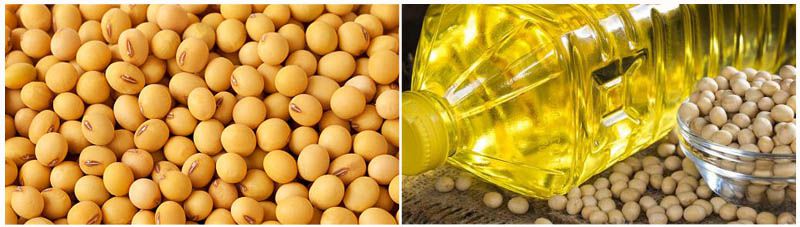
A complete soybean oil project in South Africa may include:
- Soybean receiving and storage
- Seed cleaning and preparation
- Oil extraction (pressing or solvent extraction)
- Crude oil filtration
- Oil refining
- Finished oil storage and packaging
- Soybean meal processing and storage
- Utilities and wastewater treatment
South Africa Soybean Oil Market Opportunity
South Africa has invested significantly in oilseed processing capacity, with soybean and sunflower crushing facilities supplying both edible oil and protein meal markets. Soybean processing is especially attractive because the soybean meal by-product has strong demand from the livestock feed industry.
Main products from a soybean oil plant:
| Product | Application |
|---|---|
| Refined soybean oil | Cooking oil, food manufacturing, frying oil |
| Soybean meal | Poultry, livestock and aquaculture feed |
| Soybean hulls | Animal feed fiber |
| Lecithin (optional) | Food, pharmaceutical and industrial applications |
Core Stages of a Soybean Oil Production Line
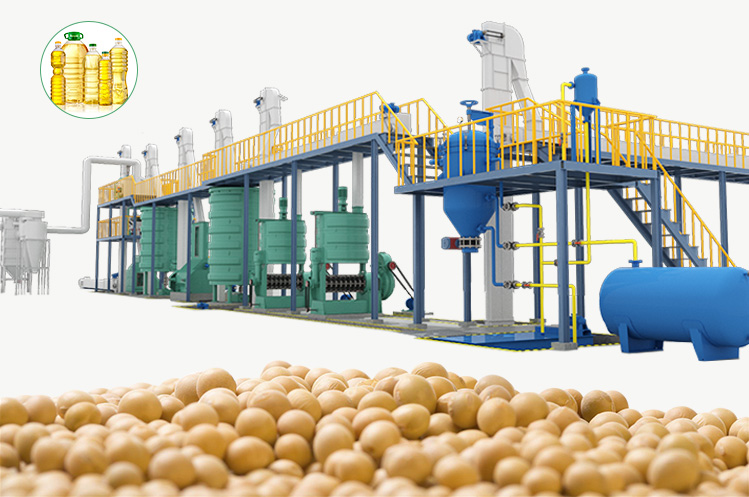
1. Cleaning & Pretreatment Stage
Raw soybeans arrive with dirt, stones, stems, and hulls. These impurities must be removed to protect the machinery from wear and to ensure high-quality oil.
- Cleaning & De-stoning: Vibrating sieves, magnetic separators, and de-stoners remove dust, metallic particles, pebbles, and stalks.
- Cracking: Hard soybeans are broken down into 4 to 8 smaller pieces using mechanical roller crackers to make them easier to process.
- Dehulling: The fiber-rich outer hulls are separated from the inner bean using aspiration (air suction). Hulls absorb oil and lower extraction efficiency, so removing them maximizes oil yield and increases the protein content of the byproduct meal.
- Conditioning (Cooking): The cracked beans are heated and adjusted for moisture. This softens the bean tissue, reduces oil viscosity, and prepares the cells to release oil.
- Flaking: The conditioned beans pass through heavy rollers that flatten them into thin flakes (about 0.3 mm thick). This vastly increases the surface area for the extraction process.
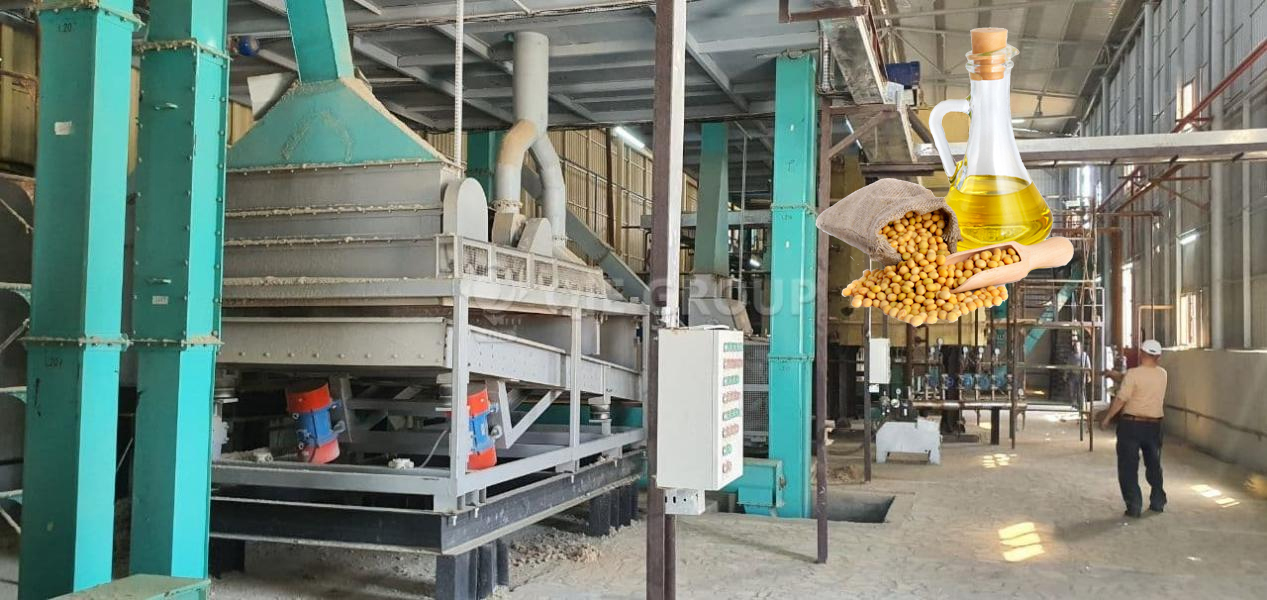
2. Oil Extraction Stage
Depending on the scale of the processing plant, oil is extracted using one of two methods:
- Mechanical Pressing (Small to Medium Scale): The flakes are passed through a continuous screw oil press (expeller). High mechanical pressure squeezes the oil out through the slats of the press barrel, leaving behind a compressed “oil cake.”
- Solvent Extraction (Large Industrial Scale): For plants processing more than 30–50 tons per day, chemical extraction is used. The flakes are soaked in a food-grade solvent (usually hexane). The solvent dissolves and washes out the oil, leaving behind a solvent-laden meal. The oil-solvent mixture (miscella) is then heated to evaporate and recycle the solvent, leaving behind crude soybean oil.
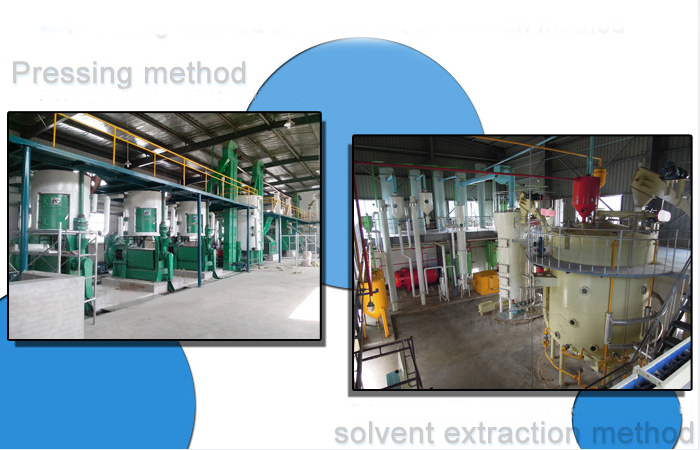
3. Crude Oil Refining Stage
Crude soybean oil contains phospholipids, free fatty acids, pigments, and odorous compounds that make it dark, cloudy, and prone to smoking. Refining converts it into clear, stable cooking oil through four steps:
- Degumming: Water or phosphoric acid is added to remove phospholipids (gums), which can cause the oil to discolor during cooking.
- Deacidification (Neutralization): Alkali (sodium hydroxide) is added to neutralize and remove free fatty acids, turning them into soap stock, which is separated from the oil.
- Decolorization (Bleaching): The oil is mixed with activated clay or carbon to absorb dark pigments and impurities, making the oil clear and light-colored.
- Deodorization: The oil undergoes high-temperature steam distillation under a vacuum to strip away volatile compounds responsible for unpleasant odors and flavors, resulting in a bland, shelf-stable product.

4. Finishing, Packaging & Byproduct Handling
The final stage transforms the oil and its leftovers into retail-ready and commercial commodities.
- Filtration & Storage: The refined oil undergoes a final polishing filtration to ensure absolute clarity before being pumped into stainless steel storage tanks.
- Bottling & Packaging: Automatic filling machines dispense the oil into plastic PET bottles, jerricans, or bulk drums, which are labeled, boxed, and palletized.
- Meal Processing (Byproduct): The leftover soybean cake or solvent-extracted meal is toasted to destroy anti-nutritional factors, cooled, and ground into high-protein soybean meal, which is sold to the livestock and poultry feed industries.
Recommended Plant Capacities in South Africa
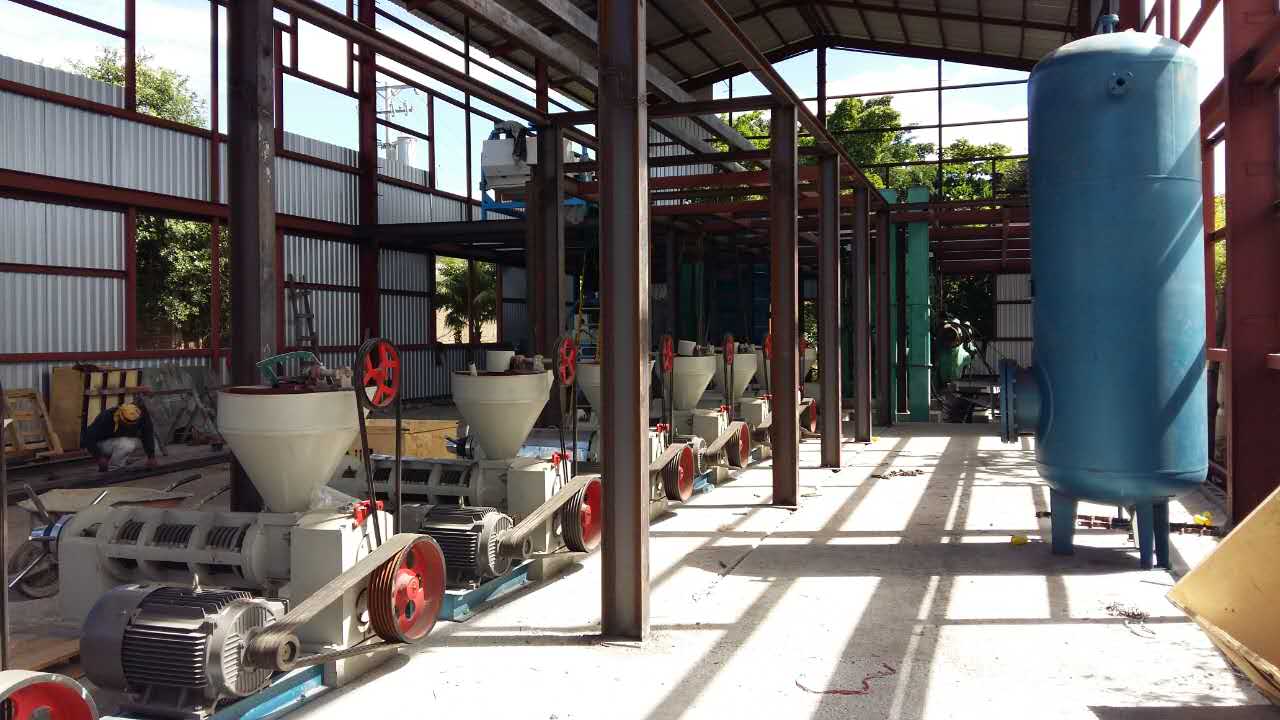
Small Soybean Oil Production Line (1–10 TPD)
Suitable for:
- Small entrepreneurs
- Local markets
- Farm cooperatives
Features:
- Screw pressing
- Simple filtration
- Manual or semi-automatic operation
Estimated investment: USD 30,000–150,000+
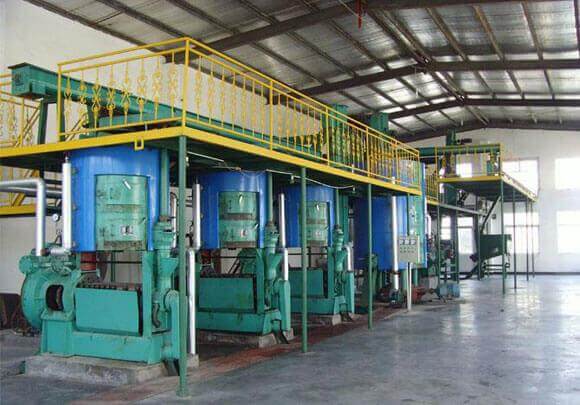
Medium Soybean Oil Plant (10–50 TPD)
Suitable for:
- Regional edible oil producers
- Growing brands
Configuration:
- Soybean preparation
- Mechanical pressing
- Oil filtration
- Small refinery
Estimated investment: USD 150,000–800,000
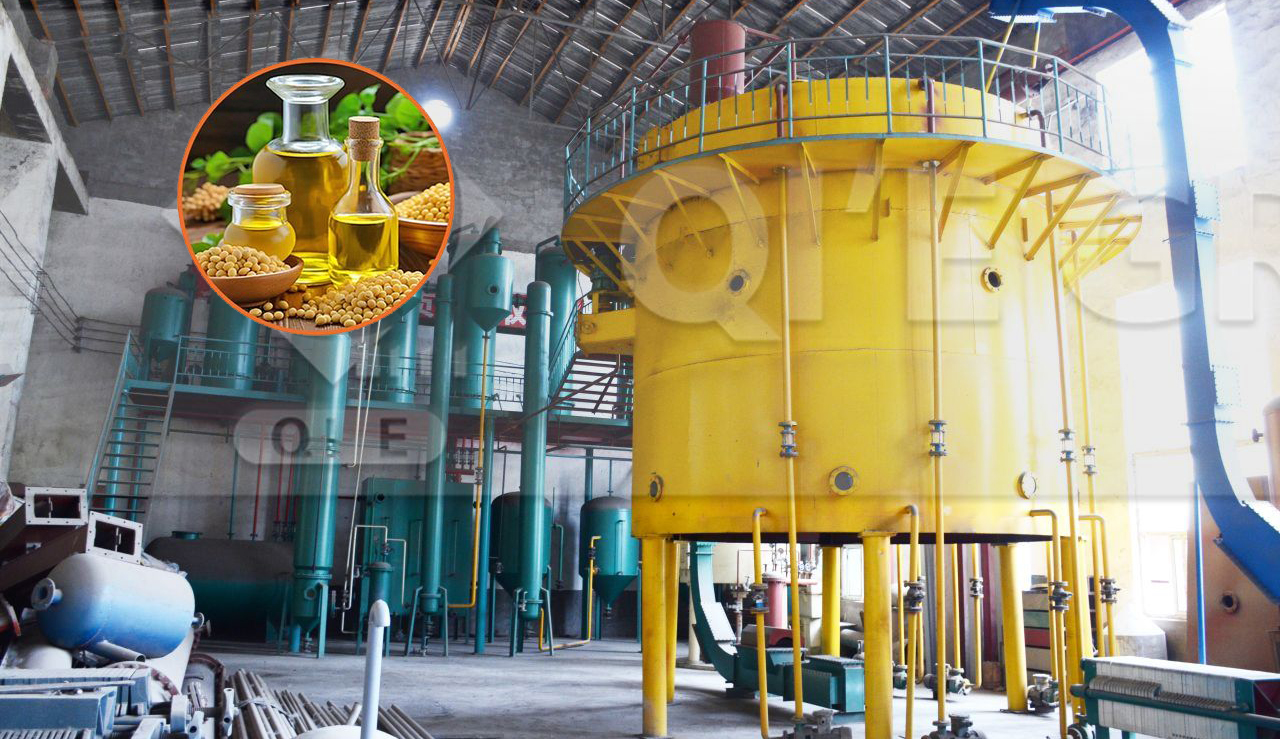
Commercial Soybean Crushing Plant (50–200 TPD)
Suitable for:
- Industrial producers
- Feed manufacturers
Configuration:
- Automatic pretreatment
- Solvent extraction or advanced pressing
- Oil refining
- Meal handling system
Estimated investment: USD 1–5 million
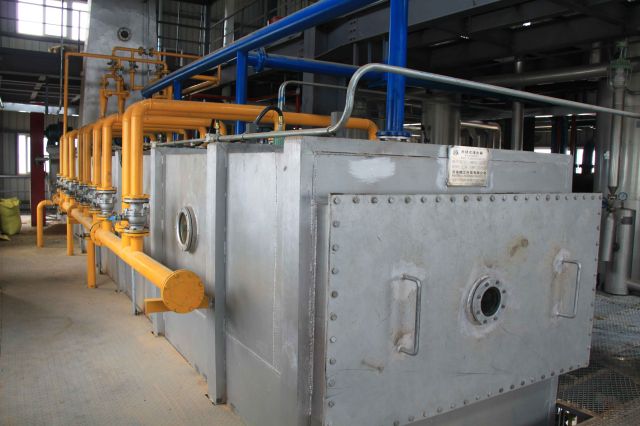
Large Soybean Oil Processing Plant (200–1,000+ TPD)
Suitable for:
- Major food companies
- Integrated oilseed processors
Includes:
- Continuous extraction
- Solvent recovery
- Full refinery
- Large storage facilities
- Automation systems
Investment: USD 5 million–20+ million
Factors Affecting Project Cost in South Africa
The final investment depends on:
1. Production Capacity
The biggest cost factor.
2. Extraction Technology
Mechanical pressing is cheaper; solvent extraction requires higher investment.
3. Automation Level
Automatic systems reduce labor costs but increase initial investment.
4. Plant Location
Costs vary depending on:
Land availability
Electricity supply
Water availability
Logistics
Port access
5. Product Requirements
A plant producing premium bottled cooking oil requires:
Advanced refining
Better filtration
Storage tanks
Packaging systems
Why Invest in a Soybean Oil Production Line in South Africa?
Advantages:
✓ Growing demand for vegetable oils
✓ Strong soybean meal market
✓ Local agricultural supply chain development
✓ Opportunity to replace imported refined oils
✓ Multiple revenue streams from oil and meal
A successful project should evaluate soybean availability, target oil capacity, refining requirements, and local market demand before selecting equipment. South African companies have already developed soybean processing facilities producing soybean meal, crude oil, and related products for local markets.
FAQ
Why is the soybean processing business booming in South Africa?
Historically, South Africa imported over 90% of its soybean oilcake. Driven by an import-substitution strategy and skyrocketing domestic consumption of poultry (now roughly 41 kg per capita), local agribusinesses aggressively expanded crushing infrastructure. Abundant local feedstock ensures processing plants can run efficiently year-round without relying on expensive foreign imports.
Is there a good market for the byproducts?
Yes. Soybeans contain only about 18% to 20% oil, meaning roughly 80% of your output will emerge as a dense byproduct called oil cake or soybean meal. In South Africa, this is a massive benefit. The local livestock, dairy, and poultry feed industries buy up domestic high-protein soy meal instantly, creating a reliable, highly profitable secondary revenue stream.
Where can I export surplus soybean oil locally?
While domestic retail markets consume large volumes of refined cooking oil, South Africa is a robust net regional exporter. According to trade data, the top immediate regional export destinations for South African soybean oil include Zimbabwe, Zambia, Botswana, Mozambique, and Lesotho.
Which extraction method should I choose: Pressing or Solvent?
Your method depends entirely on your targeted scale of operations:
Mechanical Pressing (Screw Expellers): Best for small to medium businesses handling under 30 to 50 tons per day. It is safer, has lower capital costs, requires less regulatory oversight, and produces premium chemical-free oil and full-fat oil cake.
Solvent Extraction (Hexane): Highly recommended for large industrial plants processing over 50 tons per day. While it demands complex chemical handling and high capital layout, it extracts nearly 99% of the oil from the beans (compared to the ~80-85% achieved via pressing), maximizing long-term yields.
Do I need a refinery machine, or can I sell crude oil?
Crude soybean oil is cloudy, dark, and contains phospholipids (gums) and free fatty acids that smell foul and smoke at low temperatures.
Sell Crude: If your primary target is selling bulk oil to larger industrial refiners or biodiesel plants, you can stop at the filtration phase.
Buy a Refinery: If you want to bottle your own retail brand for South African supermarkets, you must install an edible oil refinery line to degum, neutralize, bleach, and deodorize the oil into a clear, tasteless, high-smoke-point liquid.